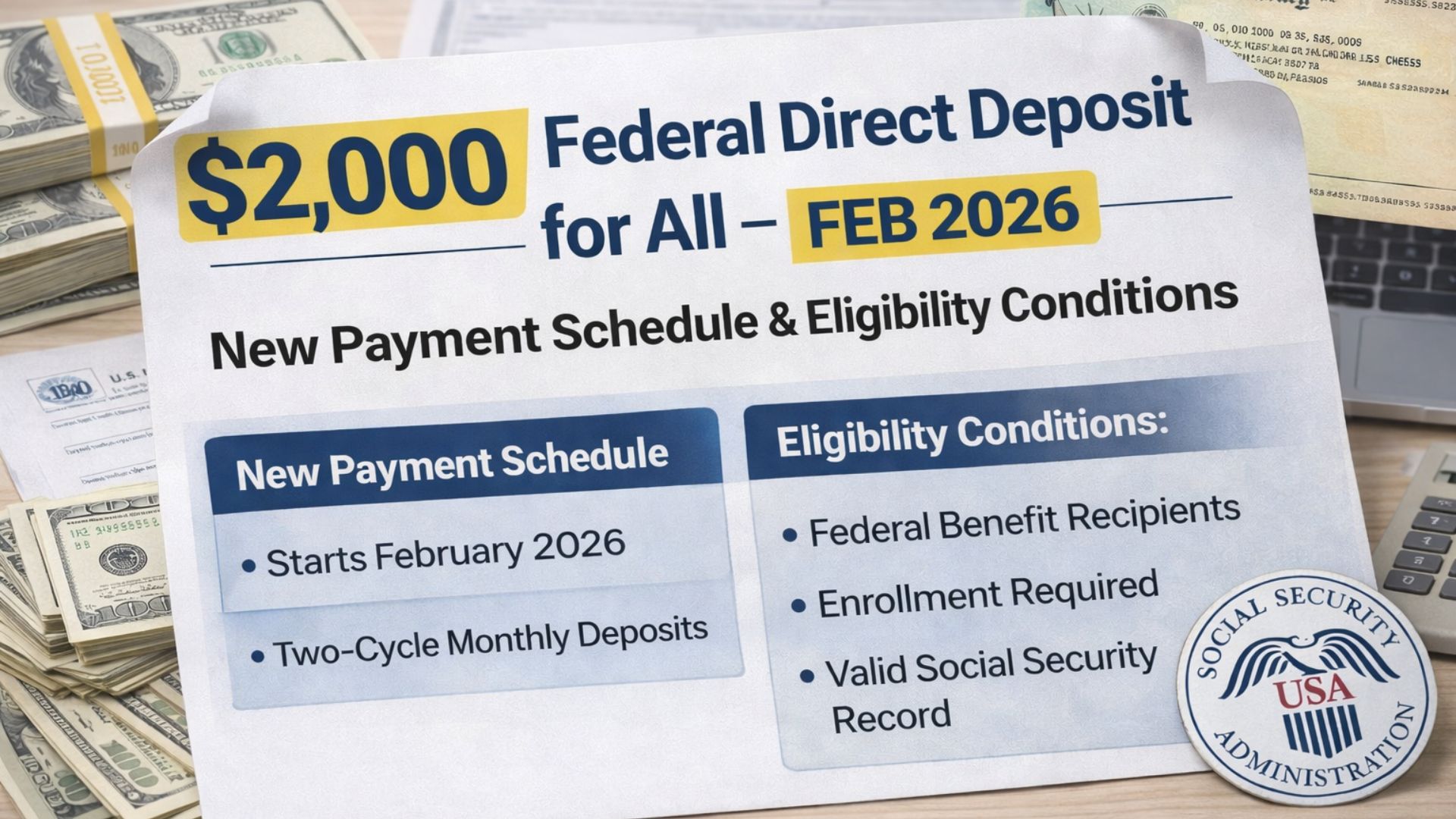
As February 2026 approaches, many people across the United States are seeing repeated claims online about a possible $2,000 direct deposit from the federal government. These messages are spreading through social media posts, forwarded chats, and video platforms, often presented as confirmed news. For families facing high living costs, the idea of sudden financial relief feels reassuring. However, it is important to clearly understand what is real and what is simply rumor.
Why the $2,000 Payment Rumor Keeps Returning
The $2,000 amount holds strong emotional meaning for many Americans. During the pandemic years, similar payments helped households manage job losses and unexpected expenses. Because of that experience, the same figure often reappears whenever financial pressure increases. In early 2026, rising housing costs, medical bills, and daily expenses have made people more sensitive to any talk of government support.
No Official Approval for a New Payment
Despite confident claims online, there is no confirmed nationwide $2,000 direct deposit scheduled for February 2026. No law has been passed by Congress, and no official instructions have been issued by the U.S. Treasury or the Internal Revenue Service. Without legislation and formal authorization, a new stimulus-style payment cannot be released. Discussions, proposals, or political speeches do not create real payments unless they become law.
Why People Are Seeing Large Deposits
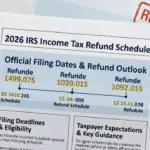
The confusion grows because February is a common month for tax refunds. Taxpayers who file early, use electronic filing, and qualify for refundable credits may receive refunds that reach or exceed $2,000. These deposits are based on personal tax situations, not on a new government program. In addition, some benefit recipients may see adjusted or delayed payments from agencies like the Social Security Administration arrive together, making the total amount look unusually high.
Understanding How Payments Really Work
If a new federal payment were ever approved, it would not automatically go to everyone. Past programs included income limits and eligibility rules. Today, lawmakers are more cautious about large universal payments. Any future support would likely be targeted and clearly announced through official channels.
The Risk of Scams and False Information
Whenever payment rumors spread, scams follow quickly. Fraudsters often send messages asking for bank details or verification codes. Government agencies do not request personal information through unsolicited texts, emails, or social media messages. Relying on unverified sources can lead to financial loss and identity theft.

Staying Grounded During Uncertain Times
The safest approach is to focus on confirmed systems. Filing taxes accurately, keeping personal information updated, and following official announcements provide real protection. Understanding how refunds and benefits normally work helps reduce disappointment and confusion.
Final Reality Check
The renewed attention around a $2,000 direct deposit in February 2026 reflects financial stress, not confirmed policy. Most deposits seen during this time are linked to tax refunds or regular benefits, not a new nationwide payment.
Disclaimer: This article is for informational and journalistic purposes only and does not provide legal, tax, or financial advice. There is no confirmed $2,000 federal direct deposit scheduled for February 2026. Government payment programs, eligibility rules, and timelines depend on legislation and official decisions that may change. Readers should verify information through official IRS, SSA, and U.S. Treasury sources or consult a qualified professional for advice specific to their situation.