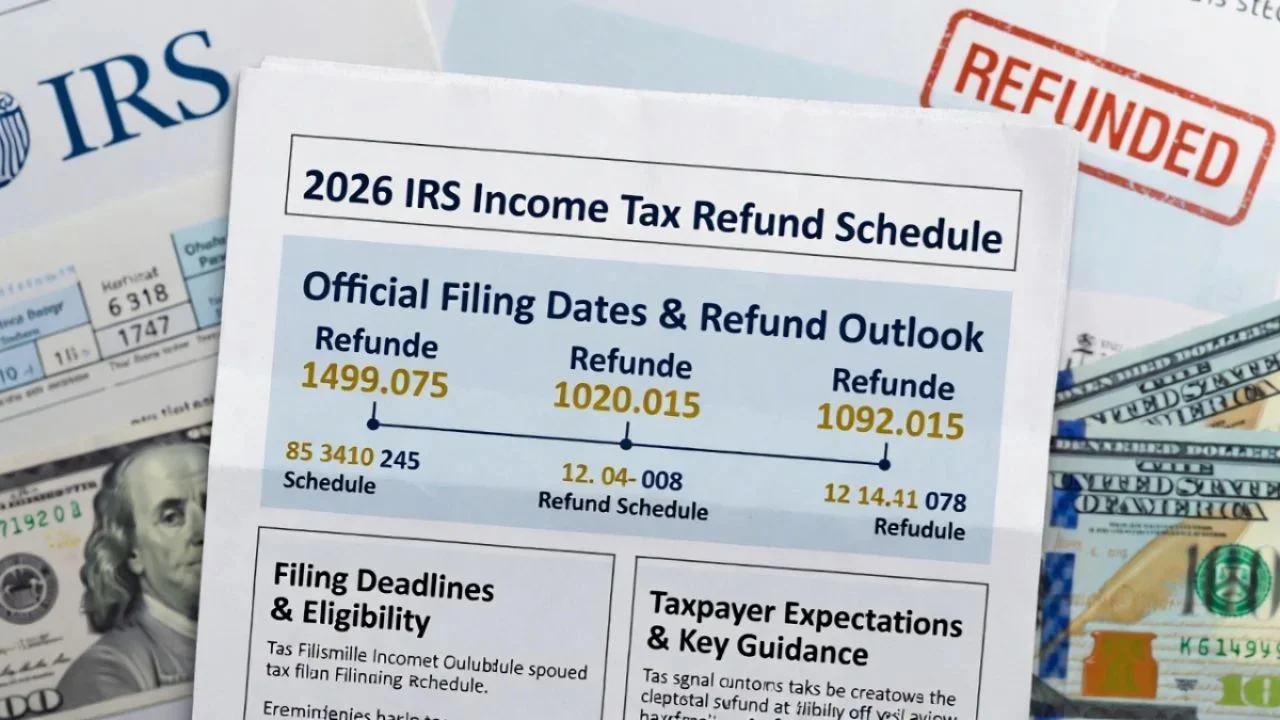
As the United States heads toward the 2026 tax filing season, many people are paying close attention to refund timelines. Talk of $2,000 direct deposits starting around 9 February 2026 has increased interest, especially among households that depend on refunds to manage rising everyday expenses. While these deposits sound similar to past stimulus payments, they are actually linked to the normal tax refund process.
Why Early February Refunds Are Being Discussed
February is often the first month when large numbers of tax refunds are issued. Taxpayers who file their returns early and submit accurate information are usually processed first. In previous years, many early filers saw refunds arrive within two to three weeks of filing, which makes early February a realistic timeframe for some refunds in 2026.
These Payments Are Not a New Stimulus
It is important to understand that the expected $2,000 deposits are not part of a new federal relief or stimulus program. They are standard tax refunds issued by the Internal Revenue Service. Refund amounts vary based on income, tax withholding, deductions, and credits, so there is no fixed or guaranteed amount for everyone.
When the 2026 Tax Season Is Expected to Start
The IRS is expected to begin accepting 2025 tax returns in the final week of January 2026. Once electronic filing opens, returns submitted online start processing quickly. Automated systems review income details and basic eligibility faster than paper returns, which helps speed up refunds for many taxpayers.
How Filing Method Affects Refund Speed
The way a tax return is filed plays a major role in refund timing. Electronic filing is generally much faster than mailing a paper return. Choosing direct deposit further reduces delays because the refund is sent straight to a bank account. Taxpayers who combine e-filing with direct deposit often receive refunds earlier than others.
Why the $2,000 Amount Sounds Familiar
Many working households receive refunds close to $2,000 due to how taxes are withheld from paychecks during the year. Standard deductions and refundable credits can also increase refund amounts. However, some people may receive more, some less, and others may owe taxes instead, depending on their personal tax situation.

Reasons Some Refunds May Be Delayed
Not all refunds move at the same speed. Returns that include credits such as the Earned Income Tax Credit or Additional Child Tax Credit are required to go through extra checks, which can delay refunds until mid-February or later. Identity verification and mismatched income records can also slow processing.
Why Refund Timing Matters for Families
For many households, a tax refund helps pay rent, reduce debt, cover medical bills, or rebuild savings. Because of this, knowing when refunds may arrive helps families plan better and reduce financial stress during the early months of the year.
Final Thoughts on February 2026 Refunds
The idea of $2,000 direct deposits starting around 9 February 2026 is based on normal IRS refund patterns, not a special payment program. Filing early, using electronic submission, and choosing direct deposit give taxpayers the best chance of receiving refunds sooner.

Disclaimer
This article is for informational purposes only and does not provide legal, financial, or tax advice. Tax refund amounts and payment timelines depend on individual circumstances and IRS processing conditions. Readers should refer to official IRS resources or consult a qualified tax professional for accurate and up-to-date guidance.