As 2026 begins, financial pressure is still a daily reality for many American families. Even though inflation has slowed compared to earlier years, essential expenses such as housing, healthcare, insurance, and groceries remain high. Against this backdrop, reports of $2,000 direct deposits appearing in bank accounts during February 2026 have drawn major attention and raised many questions.
Why $2,000 Deposits Are Getting Attention
Online posts and forwarded messages have created the impression that a new federal stimulus payment has been approved. For households already stretched thin, this idea brings hope. However, these claims are not based on a new nationwide program. Instead, they are linked to the timing of regular government payments and tax refunds that often occur early in the year.
No New Stimulus Has Been Approved
There is currently no universal $2,000 stimulus payment approved for February 2026. Congress has not passed any law authorizing a new round of broad cash payments like those issued during the pandemic. Federal policy has shifted away from large, one-time payments and toward more targeted support delivered through existing systems.
Why Early-Year Payments Cause Confusion
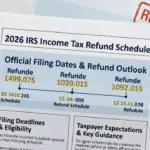
The first months of the year are a busy period for federal payments. Social Security benefits are adjusted at the start of the year, and tax filing season opens soon after. Early tax filers who submit accurate returns may receive refunds within weeks through the Internal Revenue Service. When benefit payments and refunds arrive close together, the combined total can look unusually high.
The Role of Banking and Timing
Bank processing plays a major role in how deposits appear. Weekends and holidays can shift posting dates, and some banks release funds earlier than others. When two separate payments post close together, they may appear as one large deposit, fueling rumors of a special payment that does not actually exist.
Who Is Most Likely to See Higher Deposits
Not everyone will see deposits near $2,000. People who receive higher regular benefits or qualify for refundable tax credits are more likely to notice larger amounts. Retirees with strong work histories, veterans with higher benefit ratings, or low-income taxpayers receiving credits may see deposits that approach this figure, based on personal eligibility.

Why Amounts Are Different for Everyone
Unlike stimulus checks, which were flat payments, most federal benefits are calculated individually. Social Security depends on lifetime earnings, while tax refunds depend on income, credits, and filing status. Small differences in circumstances can lead to very different payment amounts.
Staying Safe From Misinformation
Payment rumors often attract scams. Government agencies do not ask for personal information through unsolicited calls, texts, or social media messages. Relying on official announcements and verified sources is the best way to avoid fraud and false expectations.
Final Perspective
The talk around $2,000 direct deposits reflects ongoing financial stress rather than a new government program. Deposits near that amount are the result of normal benefits and tax refunds arriving close together. Understanding how these systems work helps reduce confusion and unnecessary worry.

Disclaimer
This article is for informational purposes only and does not provide legal, financial, or tax advice. There is no approved universal $2,000 direct deposit or stimulus payment for February 2026. Payment amounts, eligibility, and timing depend on individual circumstances and official government rules, which may change. Readers should confirm details through authorized government sources before making financial decisions.