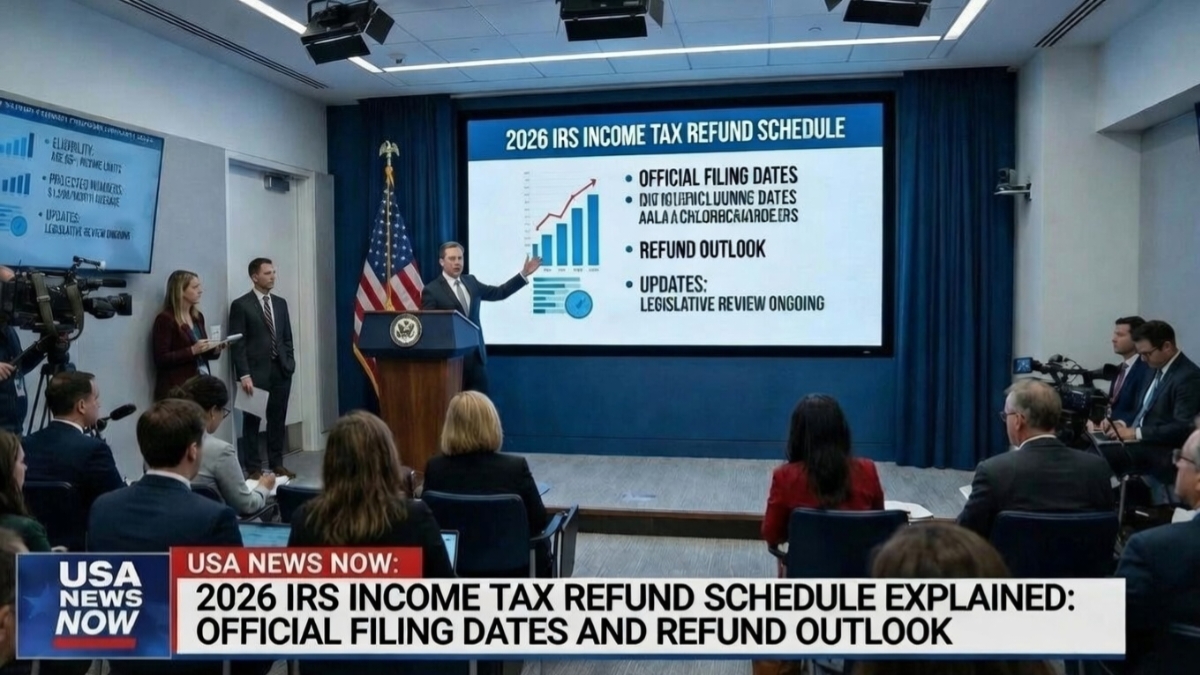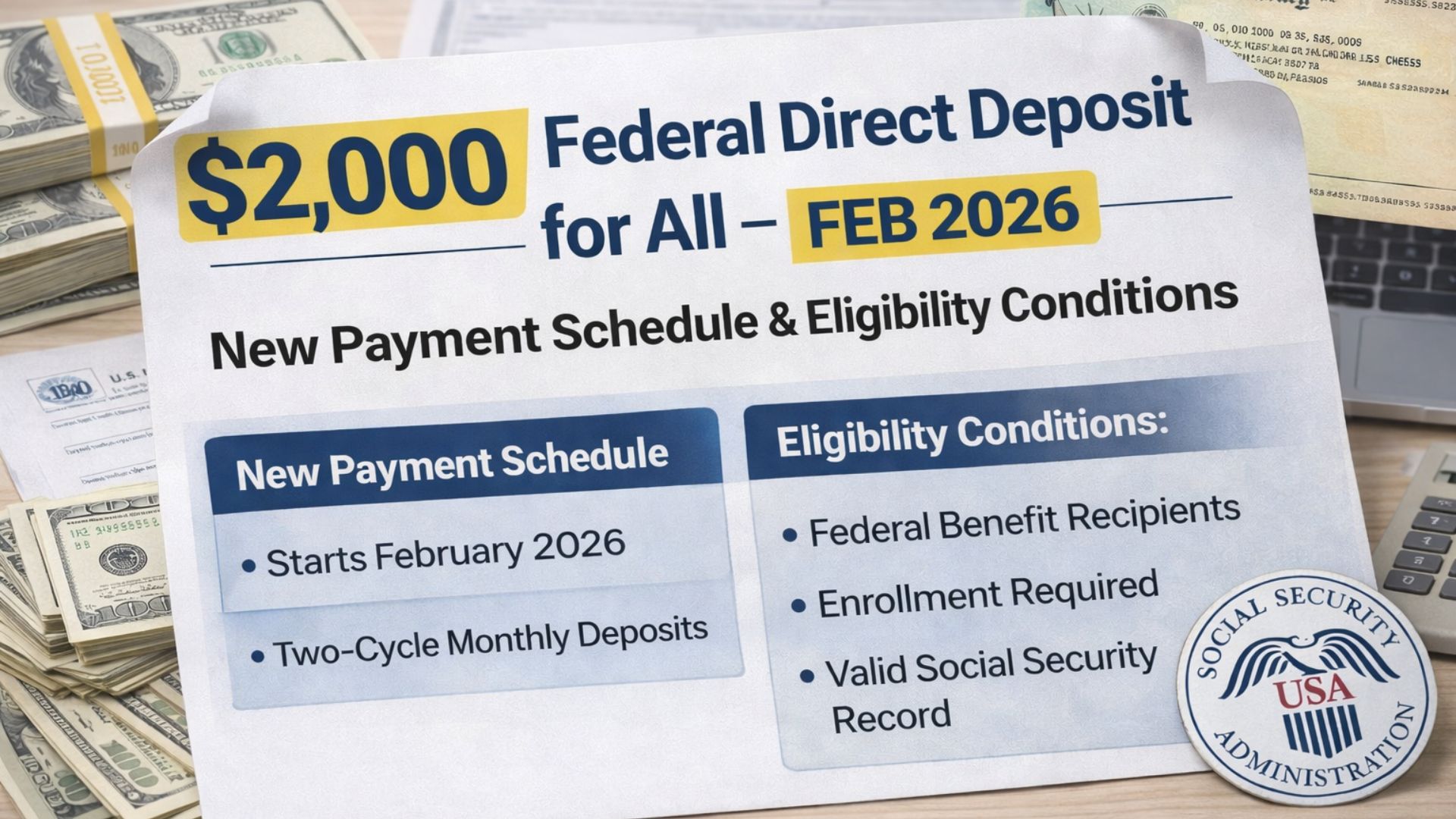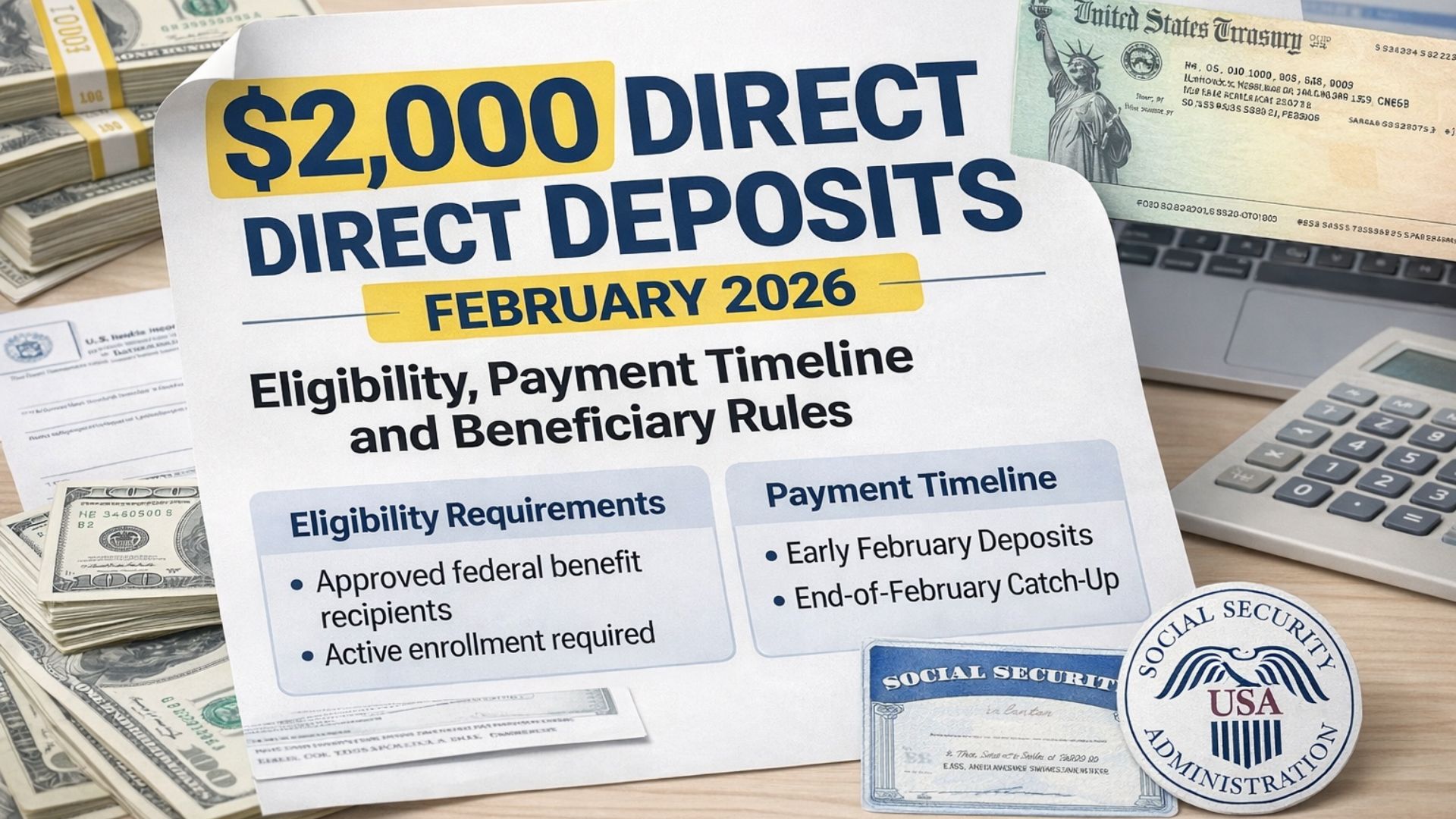
As February 2026 unfolds, conversations about money have once again become tense for many Americans. Even though inflation has slowed compared to earlier years, everyday expenses such as rent, insurance, healthcare, and groceries continue to pressure household budgets. In this environment, social media posts claiming that $2,000 direct deposits are appearing in bank accounts have spread rapidly. These claims feel believable to many people because they remind them of past stimulus payments.
Why $2,000 Direct Deposit Claims Are Circulating
The idea of a $2,000 payment carries strong emotional meaning. During the pandemic, stimulus payments around this amount helped families survive job losses and economic shutdowns. Those funds covered rent, food, and urgent bills. Because of that experience, seeing a deposit close to $2,000 today easily triggers the belief that stimulus payments have returned. Social media amplifies this reaction, turning individual payment experiences into widespread claims that appear official, even when they are not.
No New $2,000 Federal Payment Approved
Despite how often these claims appear online, there is no newly approved federal program sending a universal $2,000 payment in February 2026. The United States Congress has not passed any legislation authorizing a nationwide stimulus check. Without new law approval, federal agencies cannot issue such payments. Current policy discussions focus more on targeted relief and deficit control rather than broad cash distributions.
What People Are Actually Seeing in Their Accounts
What many people are noticing is a combination of regular government payments arriving close together. Social Security benefits often increase at the start of the year due to cost-of-living adjustments, which can result in higher monthly deposits. At the same time, the Internal Revenue Service begins processing early tax refunds, including refundable tax credits. In addition, some payments delayed by holidays may arrive around the same time, creating the appearance of one large deposit.
Who Might See Amounts Near $2,000
Not everyone will see federal payments close to $2,000, but certain groups are more likely to notice amounts around that level. Retirees with average or higher Social Security benefits may receive monthly payments near that figure, especially after annual adjustments managed by the Social Security Administration. Early tax filers who qualify for refundable credits may also receive sizable refunds. Veterans’ benefits and disability payments can also vary widely based on individual eligibility.
How Bank Processing Adds to Confusion
Different banks post deposits at different times. Some release funds early, while others wait until the official payment date. To account holders, this can feel sudden or unexpected. What looks like surprise money is usually scheduled income arriving sooner or later than expected.

Scam Risks During Payment Rumors
Whenever talk of federal payments increases, scams follow. Fraudsters send messages promising guaranteed $2,000 deposits and ask for personal or banking information. Government agencies do not request sensitive details through unsolicited calls, texts, or emails.
Understanding the Bigger Financial Picture
The renewed focus on $2,000 payments reflects ongoing economic anxiety. While inflation has eased, real-world costs remain high. Relief is more likely to come through adjustments to existing programs rather than new stimulus checks.
Disclaimer
This article is for general informational purposes only. It does not confirm the existence of a universal $2,000 direct deposit or stimulus payment for February 2026. Payment amounts, eligibility rules, and timelines depend on individual circumstances and existing federal programs, which may change. Readers should verify information through official government sources or consult qualified professionals before making financial decisions.